 TICKETS
 DONATE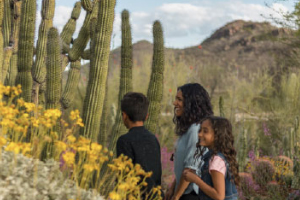

Biodiversity Camp
An Overnight Experience for High Schoolers
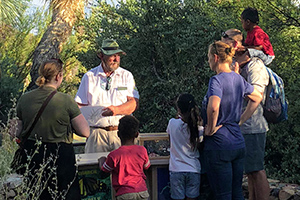
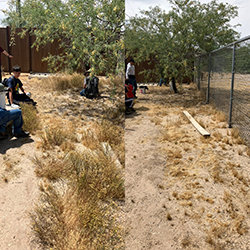
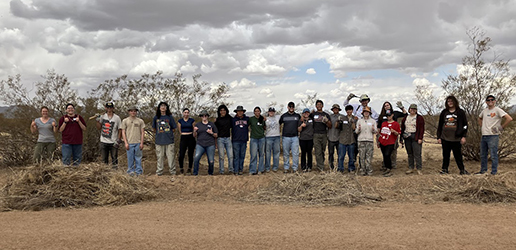
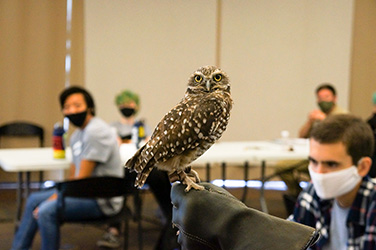
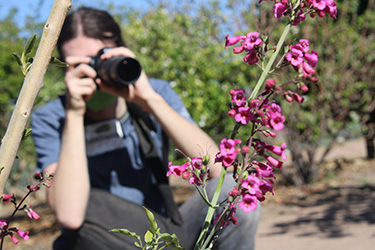
Engage your students outdoors! Biodiversity Camp is an overnight program for high school students that makes the outdoors as accessible as possible by providing meaningful experiences with science and the natural world. Programming is collaborative and tailored to best fit you and your students’ needs. This is an opportunity for hands-on place-based learning that relates to what is happening in the classroom and beyond!
Biodiversity Camp fits into high school curriculum for environmental science, engineering, biosciences, communication, art, and more!
This program falls under Well Rounded Education as described by the Arizona Department of Education!
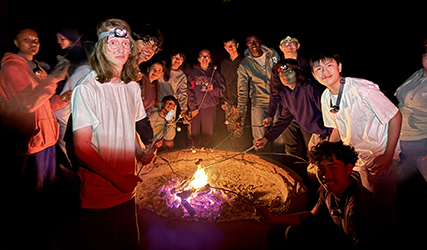
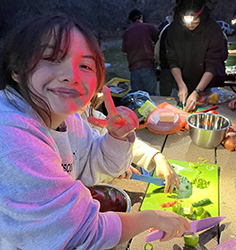
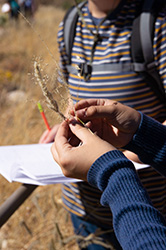
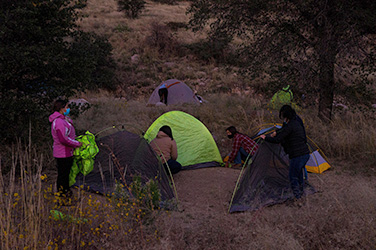
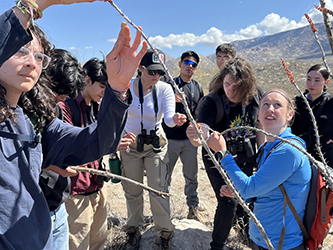
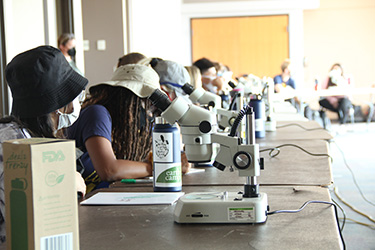
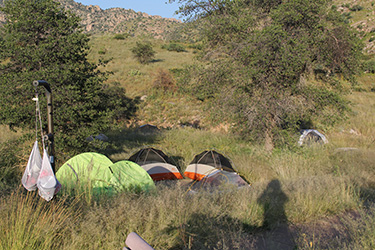
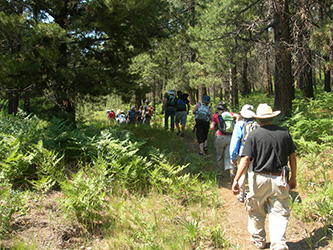
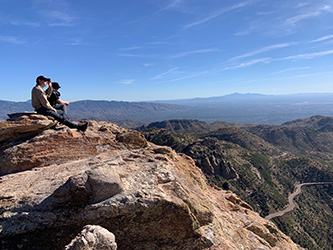
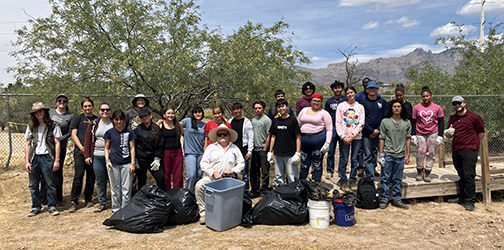
Depending on your needs, there are two models for Biodiversity Camp:
|
Desert Museum Overnight
(2 days and 1 night) |
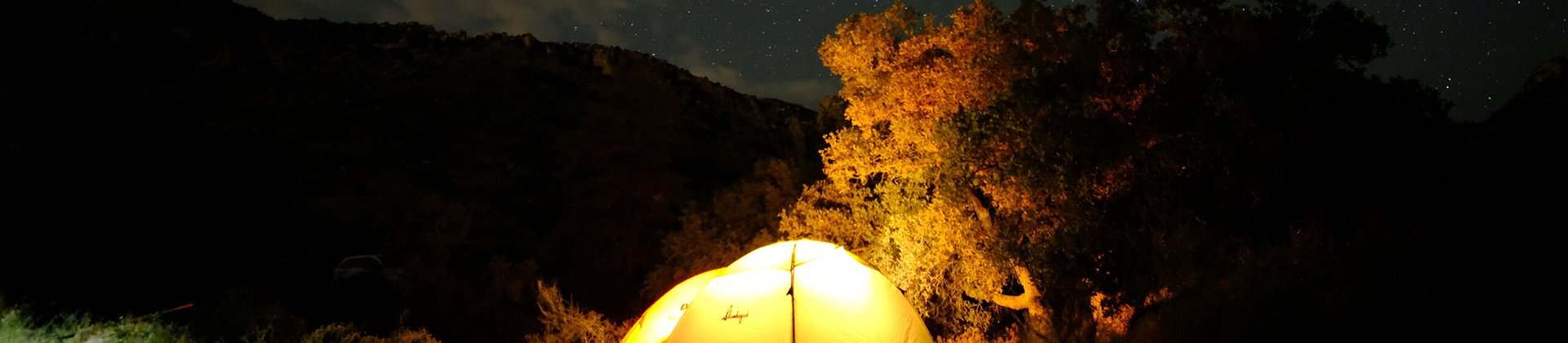
Camping Trip
(3 days and 2 nights) |
|---|---|
| Desert Museum Overnight Sample Schedule | Camping Trip Sample Schedule |
|
This model includes:
|
This model includes:
|
Pricing:
As Biodiversity Camp is such a highly personalized program, pricing is variable. Cost may vary depending on weather, campsite availability, number of students, etc. We will work with you on price as our Biodiversity Camp plan comes together.
If you are interested in Biodiversity Camp, you will need to:
- Have administrative support and commitment to the program
- We ask that schools provide their own classroom coverage and transportation throughout the duration of the program
- Have a minimum of one teacher (preferred two) attend all days alongside students
- Have up to 20 students that can commit to the entire experience
- Adhere to all deadlines for communication and paperwork
- Consistently communicate with the Biodiversity Camp coordinator leading up to the trip
Expected Timeline:
Ensure you have classroom coverage and transportation for the chosen dates
Related Links/ Documents:
Frequently Asked Questions (FAQ):
Currently, up to 20 people can attend Biodiversity Camp (including adults/chaperones). The Museum has a limited amount of camping gear that can be lent out to participants, and this is the primary limiting factor. If some participants have their own gear to bring there may be some flexibility in the 20 people maximum.
Absolutely! Biodiversity Camp programming can be tailored to fit curriculum covered in any classroom.
Yup! As long as you can provide all necessary documentation and transportation for your group you are welcome to participate in Biodiversity Camp. Fill out the interest form now!
Once you have filled out the interest form, someone from the Arizona-Sonora Desert Museum Education team will reach out to set specifics in place (see timeline above). Once a date has been established, a unique link will be sent directly to you for adults and students to fill out digitally for registration.
No, transportation to and from Biodiversity Camp must be provided by you. It is recommended to rent school vans or small buses for the duration of the trip.
The Arizona-Sonora Desert Museum does not have any discounts for this program.
Participants should be prepared for a variety of weather conditions. It is highly recommended that you bring layers that can easily be put on and taken back off as we explore.
At our preferred campsite (Molino Basin) there are two pit toilets. As we travel throughout the program there will likely be a bathroom at each stop, but this is variable. There are no showers or running water.
Yes. The Arizona-Sonora Desert Museum Education team works very hard to be fully prepared for all situations. We have a highly trained staff that you can feel safe knowing has prepared specifically for you and your group.
Students are welcome to bring their phones with them to camp though we encourage limited cellphone use. Service and charging availability is not guaranteed. There will be time at the end of each day to find service for students to contact their caregivers.
It is the goal of the Arizona-Sonora Desert Museum to provide accessible educational opportunities for all. We are excited to work with many different individuals and can tailor our programming as needed. The most common limitation that we may come across is uneven or difficult terrain, but we can easily adjust our programming to avoid this (we just need to know before hand).