
 TICKETS
 DONATE

Conservation Science
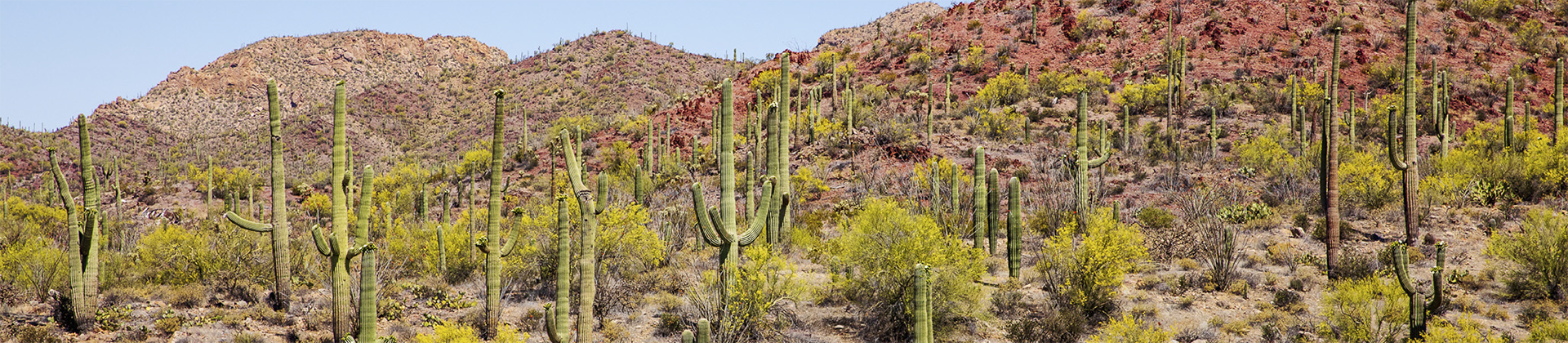
As more species face extinction, zoos, botanical gardens, and museums are increasingly stepping up to support research and conservation. The founders of the Desert Museum were ahead of their time. From the start, they recognized that to protect the desert, we first had to understand it — and they encouraged staff to study the plants, animals, and ecosystems of the Sonoran Desert.
For over 70 years, Desert Museum scientists, curators, and educators have laid the foundation of the understanding of the natural history of the Sonoran Desert, which provides the deep, place-based knowledge of species, ecosystems, and ecological relationships that conservation depends on. Today, we’re building on that legacy — continuing to protect the desert’s incredible diversity of life while also honoring the cultural and social aspects that shape how conservation happens.
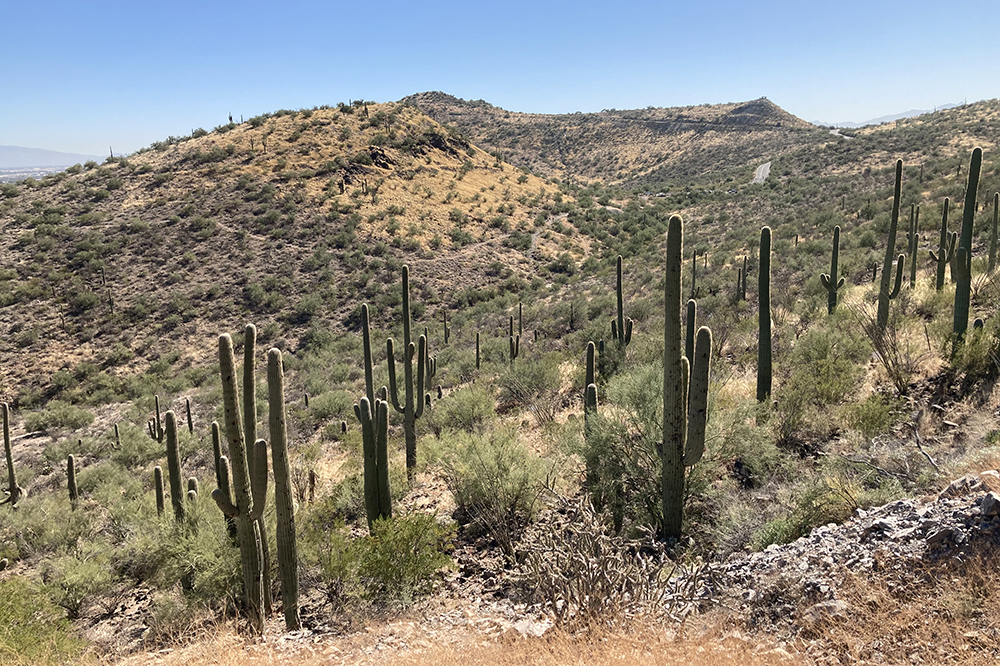
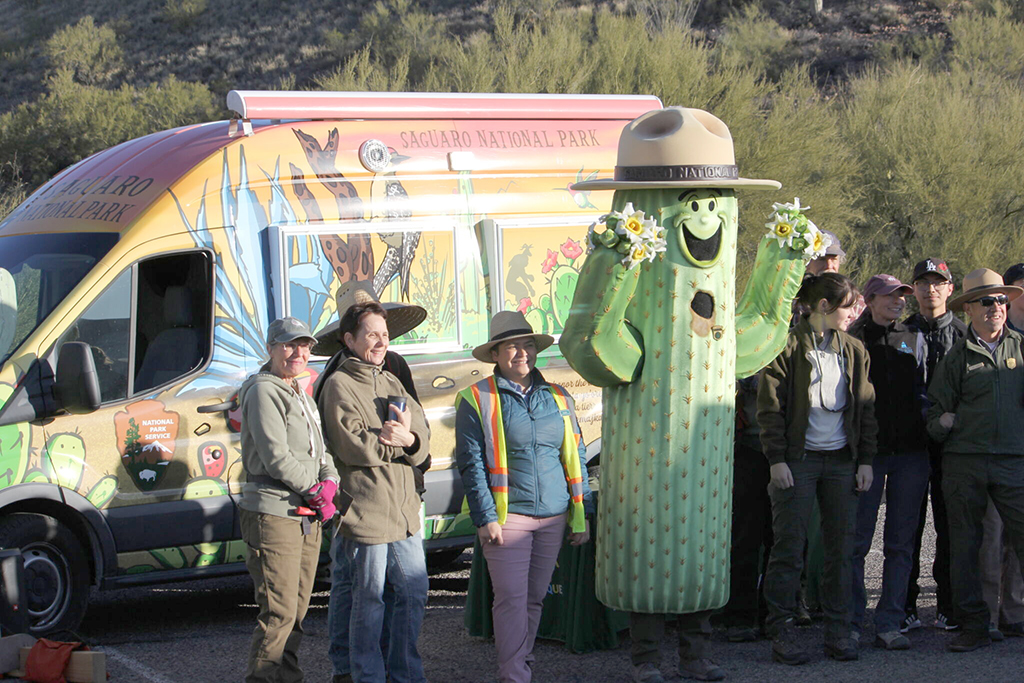
Save Our Saguaros
We’ve designated February “SOS Month” and host events devoted to increasing awareness of invasive species that threaten saguaro habitat and helping our community to become more active stewards of our desert.
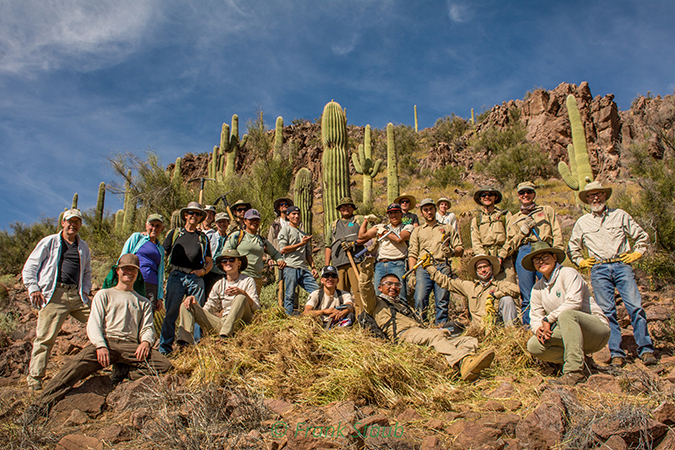
Sonoran Desert Cooperative Weed Management Area
The Sonoran Desert Cooperative Weed Management Area (SD-CWMA) is a partnership of agencies, organizations, and individuals working together to safeguard southern Arizona from invasive plants.
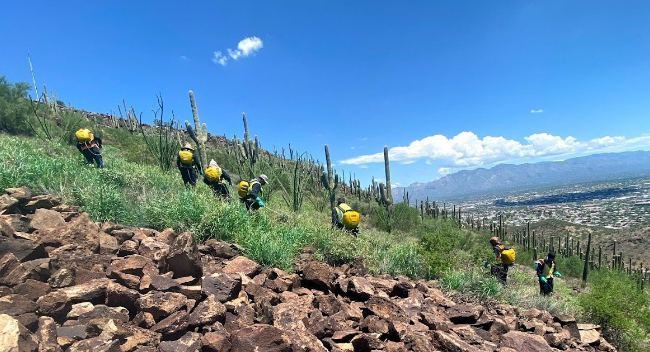
Buffelgrass on Tumamoc Hill
Tumamoc Hill and “A” Mountain are iconic landmarks in the heart of Tucson. The Museum is working to treat the invasive buffelgrass threatening this reservoir of biodiversity in the center of our city.
Wild Bee Ecology
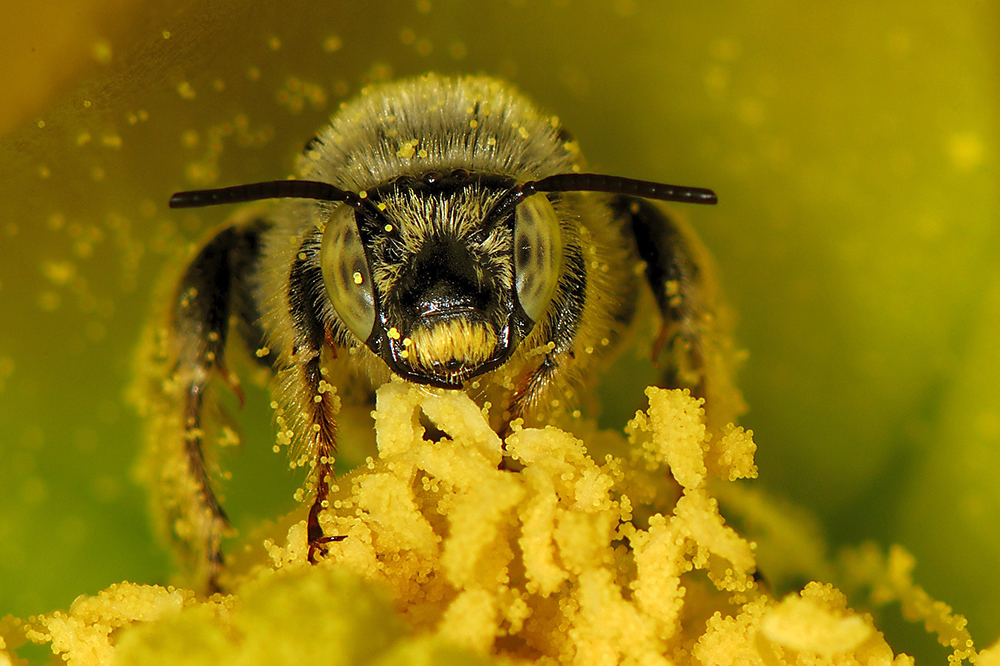
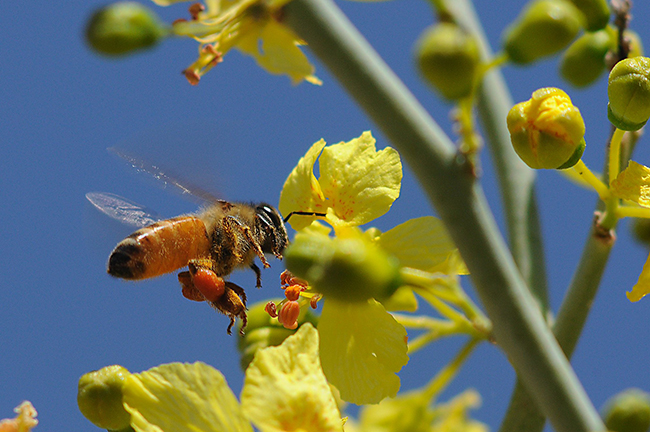
Bees are the most important pollinators of both wild and domesticated plants, but we know very little about most bees in the Sonoran Desert. In 2016, with the support of a dedicated team of volunteers, we launched a long-term study to document Tucson’s bee communities.
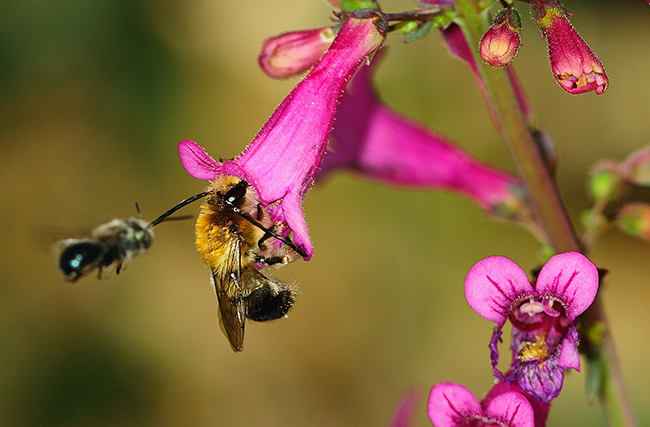
Wild Bee Diversity
The Sonoran Desert is a global hot spot for bee diversity, home to approximately 1,000 bee species. We are compiling a collection of every species, including specimens, images and genetic information, which will be a resource for bee researchers globally.
Monarch Migration
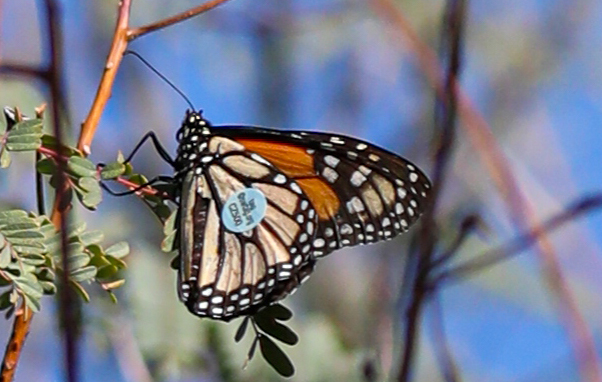
Every fall, striking black and orange monarch butterflies begin migrating south to winter refuges. One monarch can fly thousands of miles, and many stop at the Desert Museum along their journey. Volunteers at the museum tag butterflies to help document their movements.
Conserving Food Plants
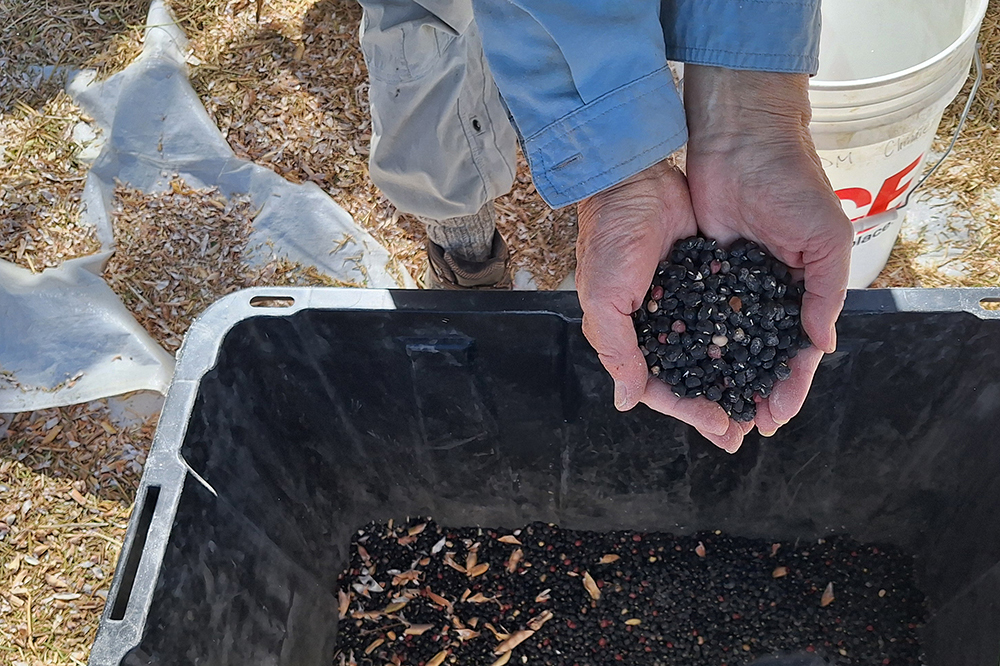
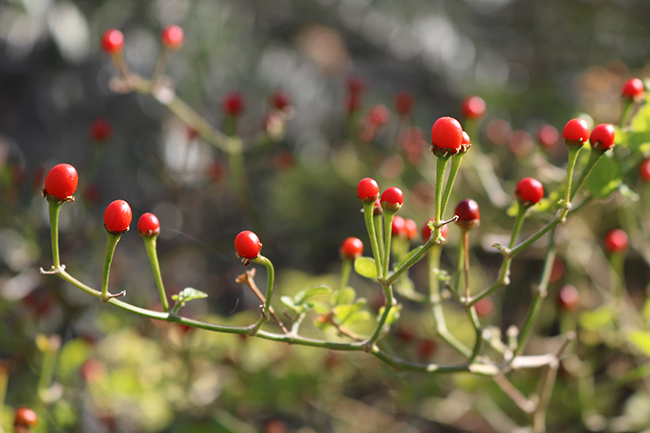
Our conservation efforts encompass plants linked to food and agriculture, with a focus on the wild relatives of crops and other important native species. We conserve and safeguard these Sonoran Desert species in the Museum’s gardens and seed banks and participate in conservation networks across the region and beyond.
Adapting Agriculture
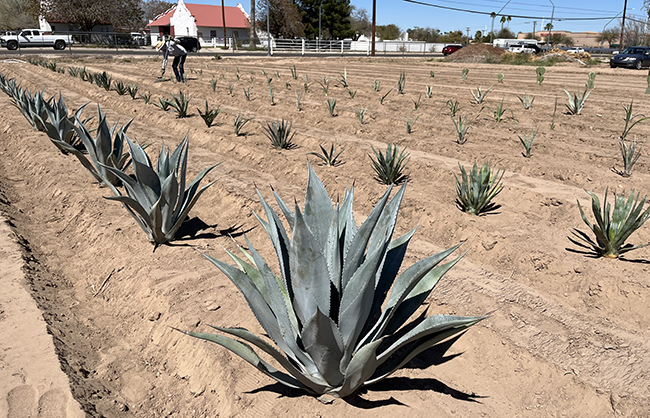
We are reimagining agriculture for a hotter, drier future by blending science, time-tested local knowledge, and desert ecology. We research desert plants and growing practices that conserve water, support ecosystems, and create new opportunities across arid regions impacted by climate change.
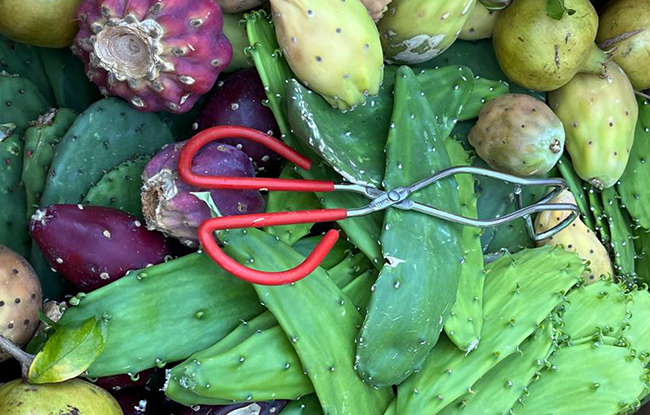
Building Knowledge
We are developing resources to connect people with the knowledge and tools they need to grow and enjoy our desert food plants. From farmers and chefs to home gardeners and cooks, we all play a role in building a tastier and more resilient food future.
Dive Deeper | Get Involved
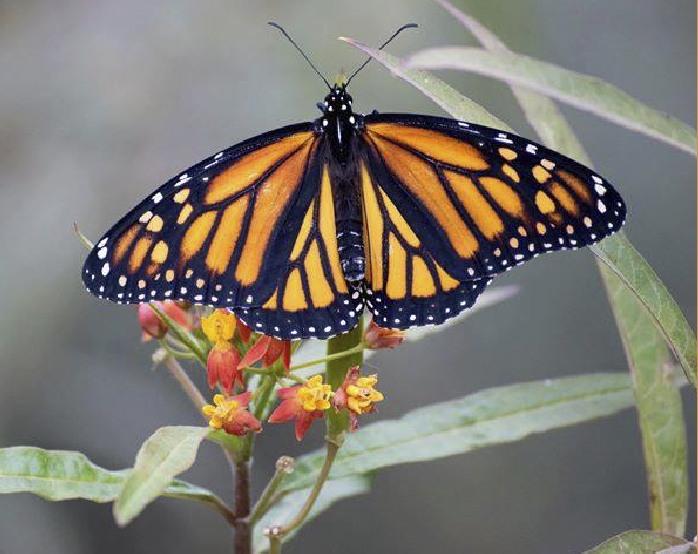
Citizen ScienceJoin a BioBlitz or City Nature Challenge, learn how to tag monarch butterflies, or help us map invasive species! Many of our projects rely on community participation for success. |
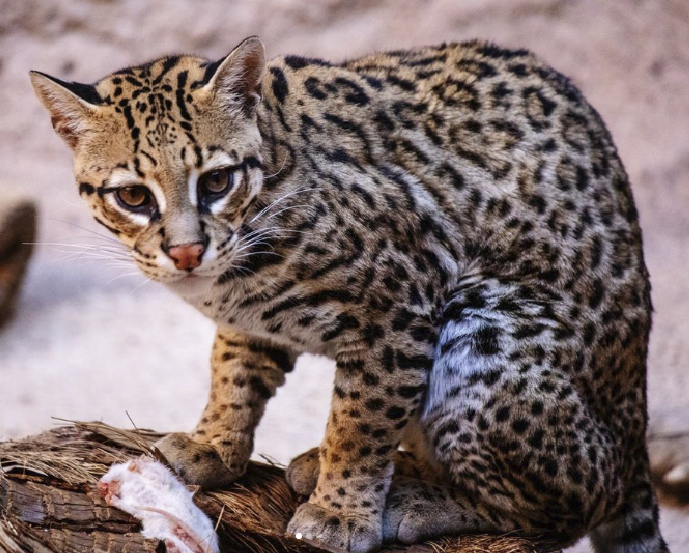
Support ConservationAs a non-profit organization, we rely on your generosity to continue our important work in the Sonoran Desert. Learn how you can support our science and conservation projects. |
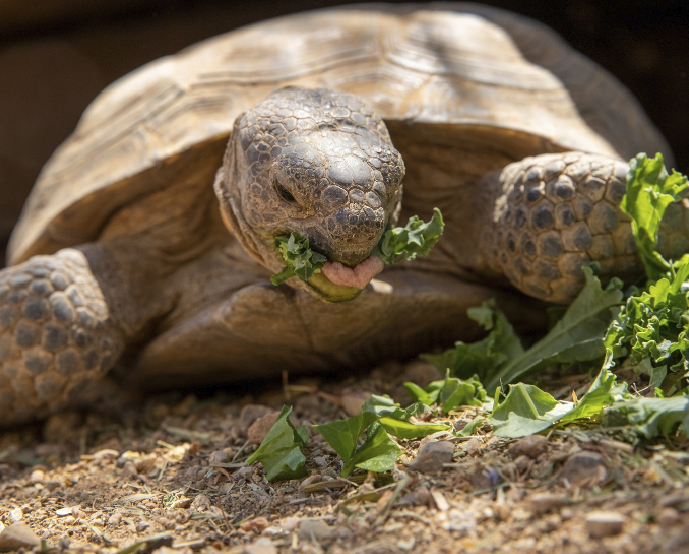
Additional ProjectsIn addition to our core projects, we regularly engage in ongoing botanical and zoological research, special conservation projects, educational outreach, and more. |