Conserving Food Plants
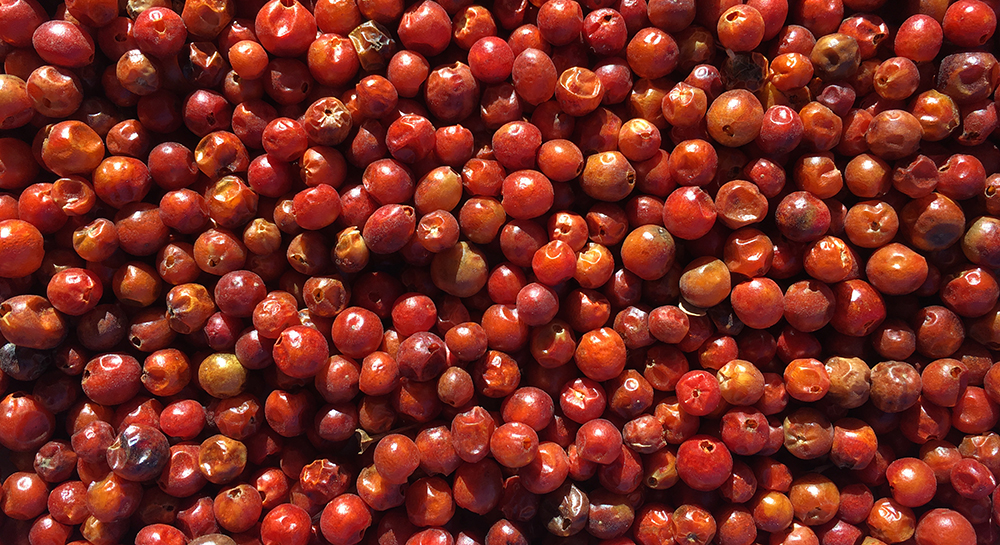
From wild chiltepin to hardy tepary beans, desert food plants carry remarkable adaptations shaped by extreme environments and unique cultural practices. We safeguard them through collaborative research, habitat conservation, seed and living collections, and biocultural stewardship.
|
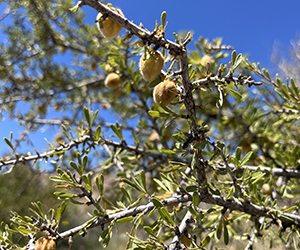
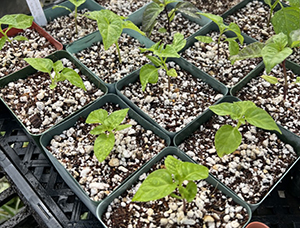
The Sonoran Desert is a deeply storied landscape, shaped by thousands of years of the ongoing relationship between people, plants, and climate. Our wild food plants sustain local ecosystems and carry deep cultural traditions. They have evolved remarkable traits like drought tolerance and pest resistance that are vital to food security and climate adaptation—especially in arid regions. Yet many of these plants are increasingly at risk due to habitat loss, environmental pressures, and fractured cultural connections. The Desert Museum is leading a regional effort to study, conserve, and share food plants in ways that support ecological and cultural connections. We integrate habitat conservation, seed saving, and community-centered stewardship through partnerships with local and Indigenous communities, public gardens, researchers, and conservation organizations. |
|